From the First Viewing Session to Repeat Engagement: Creating a Branded OTT Service for Its Audience
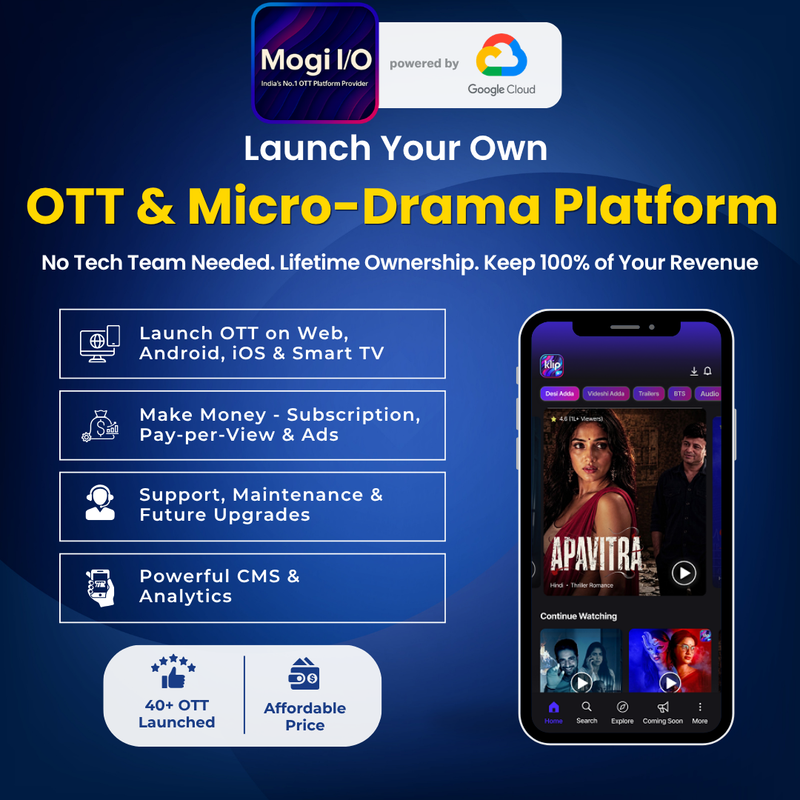
The content catalogue is often the first measure of a streaming service, but viewers experience much more than the videos themselves. Their journey involves registration, exploring categories, selecting content, starting playback and deciding if they will come back. Each stage can strengthen their interest or create a reason to leave. For businesses developing a branded streaming service, designing the entire viewing journey matters just as much as choosing the technology behind it.
A white label solution can provide an existing foundation for delivering content under an organisation’s own identity. Nevertheless, access to streaming software alone does not guarantee a practical service. The main challenge involves aligning platform functionality with viewer expectations, content management requirements and budget limitations. A sensible strategy considers what viewers need first, then determines the infrastructure necessary to deliver that experience.
Understand Viewer Needs Before Deciding on Platform Features
Prior to selecting technology, identify the reasons an audience would prefer the proposed streaming service. An educational audience might want structured lessons that are easy to resume. Audiences interested in regional entertainment may appreciate content in familiar languages and a thoughtfully curated library. For audiences following live competitions, consistent access when the event begins may be the primary concern.
These differences influence nearly every product decision. An educational library designed for searching requires a different structure from a live-event timetable. Brief mobile-focused episodes lead to different content-discovery expectations than long documentaries. Features should respond to these needs rather than accumulate because competing services happen to offer them.
A sensible initial exercise involves mapping out an ordinary viewer's session. Consider what brings the viewer to the service, what they expect to find and what would make the session worthwhile. This provides the organisation with a practical foundation for assessing a video platform while determining the features that are necessary for the first version.
Recognise the Difference Between Video Hosting and OTT
When companies want to understand what an OTT platform actually is, they are usually trying to understand what separates a complete streaming service from simply publishing video files. OTT means over-the-top delivery: media reaches viewers through an internet connection rather than through traditional cable or satellite distribution.
A video hosting service establishes the basic storage and content-delivery framework. Depending on the service, it may also include processing, embedded players and management tools. A more comprehensive OTT service integrates video delivery with account management, catalogue browsing, access controls, branded applications and commercial payment options.
This separation is significant since not every business needs the same degree of technical infrastructure. A business providing periodic training recordings might have limited use for a dedicated streaming application. A business selling access to video content may need a considerably more developed customer journey. Deciding which model is suitable requires a clear understanding of the relationship between the material, its viewers and the business distributing it.
Make the First Viewing Session Easy to Complete
A new viewer should understand the service before investing significant effort in it. Accurate programme descriptions, meaningful content categories and simple access details make the available offering easier to understand. Ambiguous category names and confusing payment requirements can discourage viewers before they begin watching.
Think carefully about which details viewers actually need to provide when signing up. Each extra action in the registration process should serve a clear function. If viewers must register, they should understand why an account is needed and what follows registration. Where payment is required, the terms should explain what is included, how long access lasts and which restrictions apply.
The initial viewing experience should also provide an obvious next step. A recently registered viewer may find it difficult to select content when faced with a sparse homepage or an unfamiliar library. Thoughtful editorial selections, recognisable categories and accurate descriptions can help. Such improvements depend on content planning and interface design as well as technology, so they should be addressed before the platform becomes widely available.
Check Streaming Performance Beyond Ideal Test Environments
A successful demonstration under ideal connection conditions does not represent the entire viewing experience. Viewers might use ageing smartphones, internet connections shared with family members or devices with restricted processing power. Performance assessments should reproduce the circumstances that target viewers may face.
Adaptive bitrate technology can adjust video quality according to changes in connection performance, yet simply having this capability does not confirm a reliable viewing experience. The business should assess how quickly videos start, how often interruptions occur and whether picture quality remains appropriate for the material. A lesson containing small text, for example, has different clarity requirements from a simple talking-head recording.
Real-time viewing requires additional preparation because technical issues may affect viewers immediately. Rehearsals should include the production feed, access controls and viewer playback. Checking the full content-delivery process helps uncover problems that may not appear when separate systems are tested independently.
Create a Clear and Consistent Video Library
A growing content library generally makes catalogue organisation more demanding. Smaller video collections can often be arranged using simple categories, but expanding services require consistent naming, descriptive information, language identification and clear links between programmes or lessons.
Content management becomes more straightforward when editorial standards are established early. Establish consistent descriptions for series, seasons, individual episodes and independent videos. Identify the people responsible for checking cover artwork, caption information and publishing dates. Inconsistent content details may make worthwhile programmes harder to locate even if the platform's search tools operate properly.
An online video app should also help viewers continue what they started. Depending on the audience, useful capabilities might include viewing progress, saved selections or clearly ordered episodes. Maintaining viewing continuity is the main objective: people returning after an extended break should easily find their previous position and continue watching without having to remember every detail of the last session.
Select a Payment Model That Reflects the Content Offering
Some content providers benefit from recurring subscriptions, but this approach may not fit every new service. A library that receives regular additions may justify a continuing membership arrangement. For a particular event, a single-payment option may provide a clearer offer. Educational material might be sold as a defined collection rather than unrestricted access to everything.
Advertising introduces another set of decisions. Companies should determine whether commercial interruptions suit the content Name a video streaming service and whether their existing processes can manage an advertising-based service. Offering advertising alongside paid viewing may confuse users if the distinctions between packages are not explained.
The evaluation of a white label SaaS platform should begin with its ability to accommodate the proposed payment arrangements. Verify that the necessary payment options, viewing durations and user access rights are available. It is also important to establish procedures for unsuccessful transactions, subscription cancellations and refunds. Such routine issues affect customer confidence and administrative demands, despite often attracting less attention than the checkout interface.
Understand the Full Costs Behind Streaming Platform Pricing
Paying for access to a streaming platform is only a portion of ongoing expenditure. Video storage, media processing, bandwidth usage, app maintenance and related services might carry additional charges or fall within specified usage limits. Comparing headline prices without examining those boundaries can produce misleading conclusions.
Prepare several practical estimates of how the service might operate. One might involve a small catalogue with modest viewing. Another could assume longer sessions or a significant increase in simultaneous viewers. Broadcasting a live event can generate intense delivery demand over a short period, unlike consistent on-demand consumption.
The objective is to identify the factors that influence operating expenses. Examine the methods used to measure activity, the services that attract charges and the consequences of exceeding included limits. A free OTT platform or basic subscription tier can be useful for initial testing, although its value depends on the project's needs. A financially practical plan considers projected audience activity alongside every operating expense instead of focusing exclusively on software subscriptions.
Separate Visual Branding from Platform Management Control
Customising brand graphics and colours may give the platform a familiar business appearance, yet visual customisation does not always mean the organisation controls every service function. Companies should review which application screens, platform capabilities and operating procedures are adjustable and which remain tied to the technology provider's standard system.
App ownership and release management responsibilities require careful consideration. Establish who manages releases, how updates are requested and what happens when a device-related issue appears. A white label service becomes easier to manage when the responsibilities of each party are clearly defined.
Similar attention should be given to viewer information. Determine what records the business can access, how those records can be exported and whether integrations meet its operational needs. These questions help distinguish a service that looks independent from one that also supports the organisation’s day-to-day management requirements. Brand identity and management control have value, but they need to be considered as distinct requirements.
Align Viewing Permissions with Content Distribution Rights
Businesses operating streaming platforms need clear knowledge of their authorised distribution rights. Content permissions can vary according to geographic region, authorised access duration, supported device types or permitted commercial activities. The platform must be capable of supporting the restrictions relevant to the catalogue.
Account authentication, viewing permissions and content protection perform related but different jobs. A signed-in account does not necessarily establish permission to watch every title. In the same way, purchased access may remain valid only for an agreed timeframe. Such differences need to be represented clearly throughout the audience journey.
Content security features should also be assessed with practical expectations. These measures may restrict improper access and discourage particular forms of misuse, although no single capability provides total protection against copying. An effective approach balances available protection features with licensing commitments while maintaining a manageable experience for legitimate viewers. Overly complicated restrictions may weaken the viewing experience the organisation intends to deliver.
Learn from Established Streaming Services While Defining Your Own Priorities
A focused service may offer value through selection, specialist knowledge or access to material that is difficult to find elsewhere. The service may stand out through a clearly categorised professional catalogue, thoughtfully ordered lessons or entertainment intended for a particular linguistic audience. Those strengths should shape the product.
Replicating familiar functions without considering why they exist may make the platform unnecessarily complicated. A content recommendation feature offers less value when fundamental catalogue organisation is unclear. Additional device applications may contribute little if the audience primarily watches on phones. Major platforms provide examples of established viewing habits, but the first release should be shaped by its target audience and the resources available to operate it.
Launch with a Manageable Service and Clear Responsibilities
Launching within a manageable scope gives the business an opportunity to understand genuine audience behaviour. The first release should support a complete viewing journey, even if the catalogue and device coverage are limited. Users should clearly understand the available content, gain access without unnecessary difficulty and have a practical way to resolve viewing issues.
Identify who is responsible for content publication, payment problems, streaming diagnostics and software updates. Create a method for identifying whether a playback issue is limited to one device or indicates a larger delivery problem. These arrangements reduce uncertainty when an issue crosses the boundary between the content team and the technology provider.
Useful measurements should connect to practical decisions. Recurring playback errors require a different response from incomplete registrations or audiences who finish one title but do not return. Reviewing those patterns helps the team decide whether to improve delivery, clarify the offer or strengthen the catalogue. Service expansion is more manageable when new developments address requirements demonstrated by viewer behaviour.
Conclusion
The effectiveness of a branded OTT service depends on the overall standard of its content, audience experience and everyday management. White label SaaS technology may offer a practical starting point, although organisations must still identify their viewers, structure their content libraries, evaluate expenses and establish operational ownership. Considering the entire viewer journey helps turn these decisions into practical requirements. Start with a service people can understand and use reliably, then expand as actual viewing behaviour reveals where further investment will create value.